
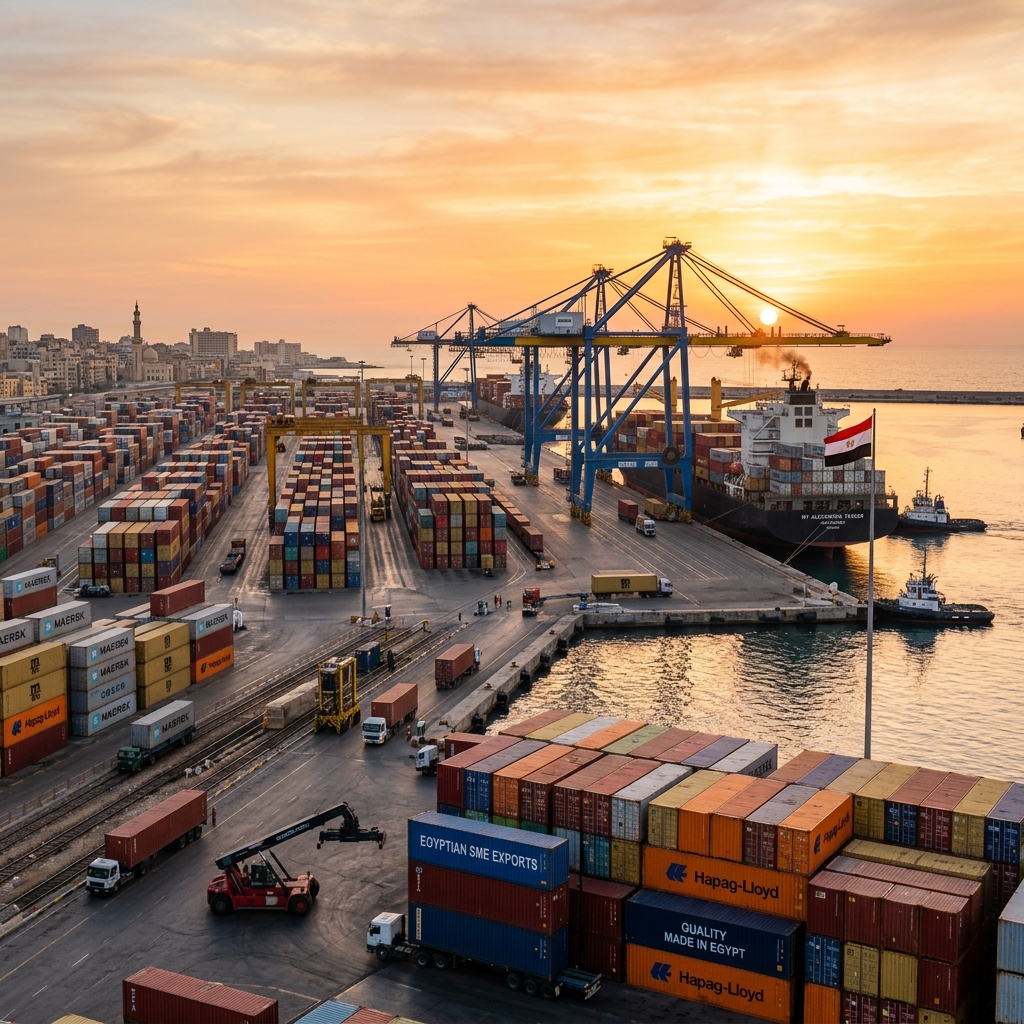
Introduction & Purpose المقدمة والهدف
Small and Medium-Sized Enterprises (SMEs) represent the backbone of the Egyptian economy, accounting for the vast majority of private-sector businesses and contributing significantly to employment, innovation, and economic development. As Egypt continues to pursue export-led growth and economic diversification under Egypt Vision 2030, increasing numbers of SMEs are seeking opportunities beyond domestic markets. تعد المشروعات الصغيرة والمتوسطة (SMEs) العمود الفقري للاقتصاد المصري، حيث تشكل الغالبية العظمى من شركات القطاع الخاص وتساهم بشكل كبير في التشغيل والابتكار والتنمية الاقتصادية. ومع استمرار مصر في السعي نحو النمو القائم على التصدير والتنويع الاقتصادي بموجب رؤية مصر ٢٠٣٠، تبحث أعداد متزايدة من المشروعات الصغيرة والمتوسطة عن فرص خارج الأسواق المحلية.
However, international expansion is occurring within an increasingly volatile geopolitical environment. Recent events including the Russia–Ukraine conflict, disruptions in the Red Sea shipping corridor, shifts in global supply chains, rising protectionism, and growing regional instability have demonstrated how geopolitical developments can rapidly alter international business conditions. ومع ذلك، فإن التوسع الدولي يحدث حالياً في بيئة جيوسياسية متقلبة بشكل متزايد. وقد أظهرت الأحداث الأخيرة - بما في ذلك الصراع الروسي الأوكراني، والاضطرابات في ممر الشحن بالبحر الأحمر، والتحولات في سلاسل التوريد العالمية، وتزايد السياسات الحمائية، وعدم الاستقرار الإقليمي المتنامي - كيف يمكن للتطورات الجيوسياسية أن تغير بسرعة ظروف الأعمال الدولية.
For Egyptian SMEs, these challenges are particularly significant due to their limited resources, dependence on external markets, and exposure to fluctuations in logistics, currency availability, and regulatory environments. This investigation explores how geopolitical uncertainty influences the internationalisation strategies of Egyptian SMEs and examines how smaller firms can build resilience while maintaining global growth ambitions. وبالنسبة للمشروعات الصغيرة والمتوسطة المصرية، فإن هذه التحديات تكتسب أهمية خاصة نظراً لمواردها المحدودة، واعتمادها على الأسواق الخارجية، وتعرضها للتقلبات في مجالات الخدمات اللوجستية وتوافر العملات الأجنبية والبيئات التنظيمية. يستكشف هذا التحقيق كيف تؤثر التحديات الجيوسياسية على استراتيجيات تدويل المشروعات الصغيرة والمتوسطة المصرية، ويبحث في كيفية بناء الشركات الصغيرة للمرونة مع الحفاظ على طموحات النمو العالمي.
The study aims to accomplish the following goals: وتسعى الدراسة إلى تحقيق الأهداف التالية:
- Examine the major geopolitical risks affecting internationally active Egyptian SMEs. فحص المخاطر الجيوسياسية الرئيسية التي تؤثر على المشروعات المصرية النشطة دولياً.
- Assess the impact of geopolitical uncertainty on market selection and expansion decisions. تقييم أثر التقلبات الجيوسياسية على اختيار الأسواق وقرارات التوسع.
- Investigate SME preparedness and risk management capabilities. استقصاء مستويات الجاهزية والقدرة على إدارة المخاطر لدى المشروعات الصغيرة والمتوسطة.
- Identify strategic practices that enhance international resilience. تحديد الممارسات الاستراتيجية التي تعزز المرونة الدولية للمشروعات.
Methodology المنهجية
A qualitative multi-case study approach was adopted to investigate SME responses to geopolitical uncertainty. Data collection combined secondary academic resources with extensive case study analyses across various sectors. تم اعتماد منهج دراسة الحالة المتعددة النوعية لاستقصاء استجابات المشروعات الصغيرة والمتوسطة للتقلبات الجيوسياسية. وجمع البيانات من خلال دمج المصادر الأكاديمية الثانوية مع تحليلات واسعة لدراسات الحالة عبر مختلف القطاعات.
Data Collection Sources مصادر جمع البيانات
- Academic journals and publications المجلات العلمية والمنشورات الأكاديمية
- International trade reports and government publications تقارير التجارة الدولية والمنشورات الحكومية
- Industry analyses and World Bank/OECD databases تحليلات الصناعة وقواعد بيانات البنك الدولي ومنظمة التعاون والتنمية
Case Selection اختيار الحالات
The investigation focused on Egyptian SMEs operating across three primary sectors with active export activities in the Middle East, Europe, and Africa: ركز التحقيق على المشروعات الصغيرة والمتوسطة المصرية العاملة في ثلاثة قطاعات رئيسية مع أنشطة تصديرية نشطة في الشرق الأوسط وأوروبا وأفريقيا:
- Manufacturing: Engineering and industrial products, food processing firms, and textile and garment exporters. القطاع الصناعي: الهندسة والمنتجات الصناعية، شركات تصنيع الأغذية، ومصدرو المنسوجات والملابس الجاهزة.
- Technology: Software development companies, digital service providers, and FinTech ventures. قطاع التكنولوجيا: شركات تطوير البرمجيات، مقدمو الخدمات الرقمية، ومشاريع التكنولوجيا المالية.
- Consumer Goods: Food and beverage exporters, lifestyle brands, and personal care product manufacturers. السلع الاستهلاكية: مصدرو الأغذية والمشروبات، العلامات التجارية لأسلوب الحياة، ومصنعو منتجات العناية الشخصية.
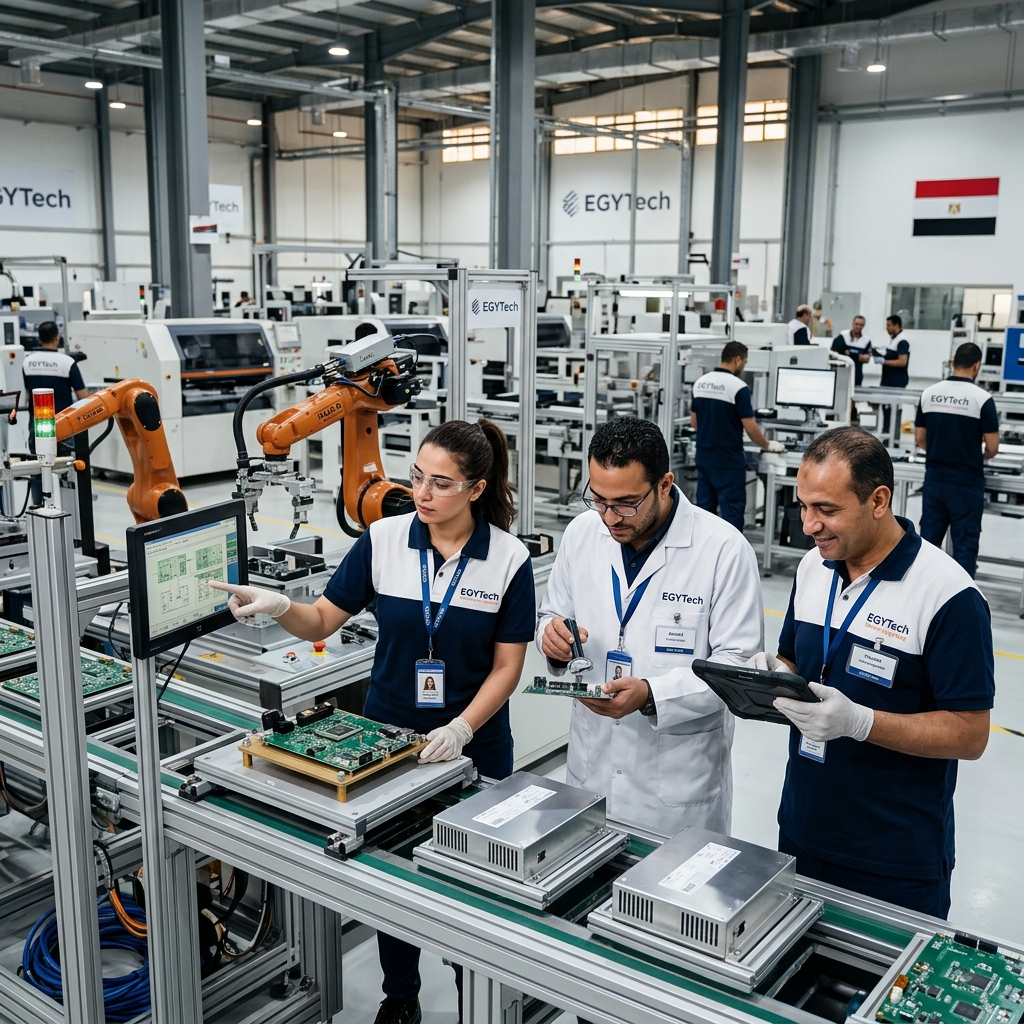
Key Findings: Geopolitical Risks النتائج الرئيسية: المخاطر الجيوسياسية
1. Market Selection & Political Stability ١. اختيار الأسواق والاستقرار السياسي
Historically, Egyptian SMEs selected foreign markets based on market size, growth opportunities, and cultural proximity. Today, geopolitical considerations are becoming equally important. Many SMEs reported avoiding markets perceived as politically unstable despite strong commercial potential. Key concerns include political instability, regulatory uncertainty, currency volatility, trade restrictions, and diplomatic tensions. One exporter noted: "A promising market can quickly become unviable if political decisions disrupt trade overnight." تاريخياً، كانت المشروعات الصغيرة والمتوسطة المصرية تختار الأسواق الخارجية بناءً على حجم السوق وفرص النمو والتقارب الثقافي. اليوم، أصبح الاستقرار السياسي معياراً حاسماً. وأفاد العديد من الشركات بتجنب الأسواق التي تشهد عدم استقرار سياسي بالرغم من توفر إمكانات تجارية قوية. وتشمل المخاوف الرئيسية القيود التجارية والتغييرات التنظيمية المفاجئة وتقلب العملة والتوترات الدبلوماسية. وأشار أحد المصدرين: "يمكن للأسواق الواعدة أن تصبح غير مجدية بسرعة إذا عطلت القرارات السياسية التجارة بين عشية وضحاها."
2. Impact of Red Sea Disruptions ٢. أثر اضطرابات البحر الأحمر
Recent security challenges affecting Red Sea shipping routes have significantly increased transportation costs and delivery times for Egyptian exporters. For SMEs operating with limited financial reserves, these disruptions have reduced international competitiveness and increased operational uncertainty. Many firms reported rising freight costs, longer delivery schedules, higher insurance expenses, and greater difficulty meeting customer deadlines. As a result, supply chain resilience has become a strategic priority. أدت المشاكل الأمنية الأخيرة في البحر الأحمر إلى زيادة تكاليف الشحن وتمديد جداول التسليم للمصدرين المصريين. وبالنسبة للشركات الصغيرة والمتوسطة ذات الاحتياطيات المالية المحدودة، قللت هذه الاضطرابات التنافسية الدولية وزادت من عدم اليقين التشغيلي. وأبلغت شركات كثيرة عن ارتفاع تكاليف الشحن البحري، وتأخر الشحنات، وارتفاع رسوم التأمين، وصعوبة متزايدة في الوفاء بمواعيد التسليم للعملاء. ونتيجة لذلك، أصبحت مرونة سلاسل التوريد أولوية استراتيجية.
3. Supply Chain Vulnerability ٣. ضعف سلاسل التوريد الاستراتيجية
Unlike multinational corporations, most Egyptian SMEs lack extensive supplier networks or international production facilities. Consequently, geopolitical disruptions can have an immediate impact on raw material availability, production schedules, and export commitments. To counter this, many firms are now pursuing supplier diversification, nearshoring strategies, regional sourcing networks, and inventory buffers for critical inputs, transitioning from efficiency toward resilience. على عكس الشركات الكبيرة متعددة الجنسيات، تفتقر غالبية المشروعات الصغيرة والمتوسطة المصرية إلى شبكات توريد بديلة أو منشآت إنتاج دولية. وبالتالي، فإن الاضطرابات الجيوسياسية تؤثر فوراً على توافر المواد الخام وجداول الإنتاج والالتزامات التصديرية. ولمواجهة ذلك، تسعى العديد من الشركات الآن إلى تنويع الموردين، وتبني استراتيجيات التوريد الإقليمي والمحلي، والاحتفاظ بمخزونات أمان للمدخلات الحيوية، متحولة من نماذج الكفاءة الصارمة إلى المرونة اللوجستية.
4. Foreign Currency Volatility ٤. تقلبات النقد الأجنبي
Exchange rate fluctuations remain one of the most significant challenges facing Egyptian SMEs. Business leaders highlighted difficulties related to importing production inputs, pricing international contracts, forecasting costs, and managing investment decisions. Despite these challenges, formal currency risk management and hedging practices remain limited, particularly among smaller exporters. تظل تقلبات أسعار الصرف من بين أكثر التحديات تأثيراً على المشروعات الصغيرة والمتوسطة في مصر. وسلط قادة الأعمال الضوء على الصعوبات المتعلقة باستيراد مدخلات الإنتاج، وتسعير العقود الدولية، والتنبؤ بالتكاليف، وإدارة القرارات الاستثمارية. وبالرغم من هذه التحديات، تظل الممارسات الرسمية لإدارة مخاطر العملة والتحوط محدودة، لا سيما بين المصدرين الصغار.
5. Regional Proximity & Digital Flexibility ٥. القرب الإقليمي والمرونة الرقمية
Many Egyptian SMEs prioritize expansion into regional markets such as Saudi Arabia, UAE, Jordan, and Libya due to geographic proximity, cultural familiarity, and lower entry barriers. While these markets offer attractive opportunities, regional geopolitical developments can simultaneously affect multiple export destinations, increasing concentration risk. On the other hand, technology-enabled SMEs demonstrated higher resilience during disruptions. Digital business models allow firms to enter markets with lower capital, diversify customer bases, and reduce dependence on physical infrastructure, though they remain exposed to cybersecurity threats and cross-border data regulations. يمنح الكثير من المصدرين المصريين الأولوية للأسواق الإقليمية مثل السعودية، الإمارات، الأردن، وليبيا بسبب القرب الجغرافي والتقارب الثقافي وانخفاض حواجز الدخول. ورغم الفرص الجاذبة، فإن الاضطرابات الإقليمية قد تؤثر على عدة وجهات تصديرية في آن واحد، مما يرفع مخاطر تركز السوق. وفي المقابل، أظهرت الشركات الصغيرة والمتوسطة المعتمدة على التكنولوجيا مرونة أعلى خلال الأزمات، حيث تتيح نماذج الأعمال الرقمية دخول الأسواق برؤوس أموال أقل والحد من الاعتماد على البنية المادية، رغم بقائها معرضة لمخاطر الأمن السيبراني وقوانين حوكمة البيانات عابرة الحدود.

Risk Preparedness Analysis تحليل مستويات الجاهزية للمخاطر
Analysis revealed substantial differences in preparedness levels among Egyptian SMEs: كشف التحليل عن اختلافات جوهرية في مستويات الجاهزية لإدارة المخاطر بين الشركات المصرية:
- High-Preparedness SMEs: These firms demonstrated formal risk monitoring systems, diversified export portfolios, alternative suppliers, strong international partnerships, and scenario planning capabilities. المشروعات عالية الجاهزية: أظهرت هذه الشركات وجود أنظمة رسمية لمراقبة المخاطر، وتنويع محافظ التصدير، وتوفير موردين بدلاء، وتأسيس شراكات دولية قوية، وتطبيق سيناريوهات التخطيط البديل.
- Low-Preparedness SMEs: These firms typically relied heavily on one or two export markets, had limited contingency planning, lacked formal risk management processes, and reacted to disruptions rather than anticipating them. المشروعات منخفضة الجاهزية: اعتمدت هذه الشركات بشكل مفرط على سوق أو سوقين فقط للتصدير، مع غياب خطط الطوارئ وعمليات إدارة المخاطر، والاعتماد على الاستجابة الارتدادية للأزمات بدلاً من استشرافها.
The findings suggest that preparedness is influenced more by managerial mindset and strategic planning than by firm size alone. وتشير النتائج إلى أن مستوى الجاهزية يتأثر بعقلية الإدارة والتخطيط الاستراتيجي أكثر من تأثره بحجم الشركة الفعلي وحده.
Main Conclusions الاستنتاجات الرئيسية
- Geopolitical uncertainty has become a major determinant of SME internationalisation decisions in Egypt. أصبحت التقلبات الجيوسياسية محدداً رئيسياً لقرارات تدويل المشروعات الصغيرة والمتوسطة في مصر.
- Traditional market attractiveness indicators are increasingly supplemented by political and regulatory considerations. بدأت الاعتبارات السياسية والتنظيمية في استكمال مؤشرات جاذبية الأسواق التقليدية.
- Supply chain resilience has emerged as a strategic priority for internationally active Egyptian SMEs. برزت مرونة سلاسل التوريد كأولوية استراتيجية للمشروعات الصغيرة والمتوسطة النشطة دولياً.
- Most SMEs remain underprepared for geopolitical disruptions due to limited resources and risk management capabilities. تظل غالبية المشروعات الصغيرة والمتوسطة غير مستعدة للاضطرابات بسبب محدودية الموارد والقدرات الاستشارية.
- Digital internationalisation offers flexibility but introduces new forms of regulatory and cybersecurity exposure. يوفر التدويل الرقمي مرونة عالية ولكنه يفرض أشكالاً جديدة من التعرض التنظيمي والسيبراني.
- Firms that proactively integrate geopolitical considerations into strategic planning demonstrate stronger international resilience and long-term performance. تظهر الشركات التي تدمج الاعتبارات الجيوسياسية في تخطيطها الاستراتيجي مرونة دولية أقوى وأداءً أفضل على المدى الطويل.
Strategic Roadmap for Practice خارطة الطريق الاستراتيجية للتطبيق العملي
- Build Geopolitical Awareness: Establish mechanisms for monitoring political, economic, and regulatory developments in key export markets. بناء الوعي الجيوسياسي: وضع آليات لمراقبة التطورات السياسية والاقتصادية والتنظيمية في الأسواق التصديرية الرئيسية.
- Diversify International Exposure: Reduce dependence on a limited number of countries by expanding into multiple geographic regions. تنويع التواجد الدولي: تقليل الاعتماد على عدد محدود من الدول من خلال التوسع في مناطق جغرافية متعددة.
- Strengthen Supply Chain Resilience: Develop alternative suppliers and logistics partners to reduce vulnerability to external disruptions. تعزيز مرونة سلاسل التوريد: تطوير موردين بدلاء وشركاء لوجستيين للحد من التأثر بالاضطرابات الخارجية.
- Leverage Regional Trade Agreements: Utilise opportunities provided by the African Continental Free Trade Area (AfCFTA) and other regional agreements to access new markets. الاستفادة من الاتفاقيات التجارية الإقليمية: استثمار الفرص التي تتيحها اتفاقية التجارة الحرة القارية الأفريقية (AfCFTA) والاتفاقيات الإقليمية الأخرى لدخول أسواق جديدة.
- Invest in Digital Internationalisation: Use e-commerce, digital platforms, and technology-enabled business models to expand internationally with lower risk. الاستثمار في التدويل الرقمي: استخدام التجارة الإلكترونية والمنصات الرقمية ونماذج الأعمال المدعومة بالتكنولوجيا للتوسع الدولي بمخاطر أقل.
- Integrate Risk into International Strategy: Treat geopolitical risk management as a core component of internationalisation rather than a reactive compliance exercise. دمج المخاطر في الاستراتيجية الدولية: معاملة إدارة المخاطر الجيوسياسية كعنصر أساسي في تدويل الأعمال بدلاً من كونها مجرد إجراء امتثال دفاعي.
As geopolitical uncertainty continues to reshape global commerce, Egyptian SMEs that combine international ambition with strategic resilience will be best positioned to compete, grow, and thrive in increasingly complex international markets. مع استمرار التقلبات الجيوسياسية في إعادة تشكيل التجارة العالمية، فإن المشروعات الصغيرة والمتوسطة المصرية التي تجمع بين الطموح الدولي والمرونة الاستراتيجية ستكون الأكثر قدرة على المنافسة والنمو والازدهار في الأسواق الدولية الأكثر تعقيداً.